How to Get Your First 1000 YouTube Subscribers
Getting your first 1000 YouTube subscribers feels like the biggest wall on the platform. Most new channels stall out somewhere between 50 and 300 and start wondering if the algorithm is broken. It isn’t. The channels that break through treat the first thousand as a systems problem, not a luck problem. This guide from Youtube Made Easy lays out the practical path that still works in late 2026.
I’m JV Charles, founder and senior editor at Youtube Made Easy. I’ve watched creators grind for months with almost no growth, then finally lock in the right focus and packaging and watch the number climb. The advice below is the same process we use with channels that are still under 500 subscribers.
Key Takeaways
- The first 1,000 subscribers is the threshold you need (along with watch hours or Shorts views) for full ad revenue. It is also the point where the algorithm starts treating your channel more seriously.
- Narrow niche + consistent search-friendly videos + strong titles and thumbnails is still the most reliable combination.
- Shorts are excellent for discovery. Long-form videos convert better into actual subscribers and watch hours.
- Most focused channels that post consistently reach 1,000 in 3–8 months. Quitting before 15–20 solid videos is the most common reason people never get there.
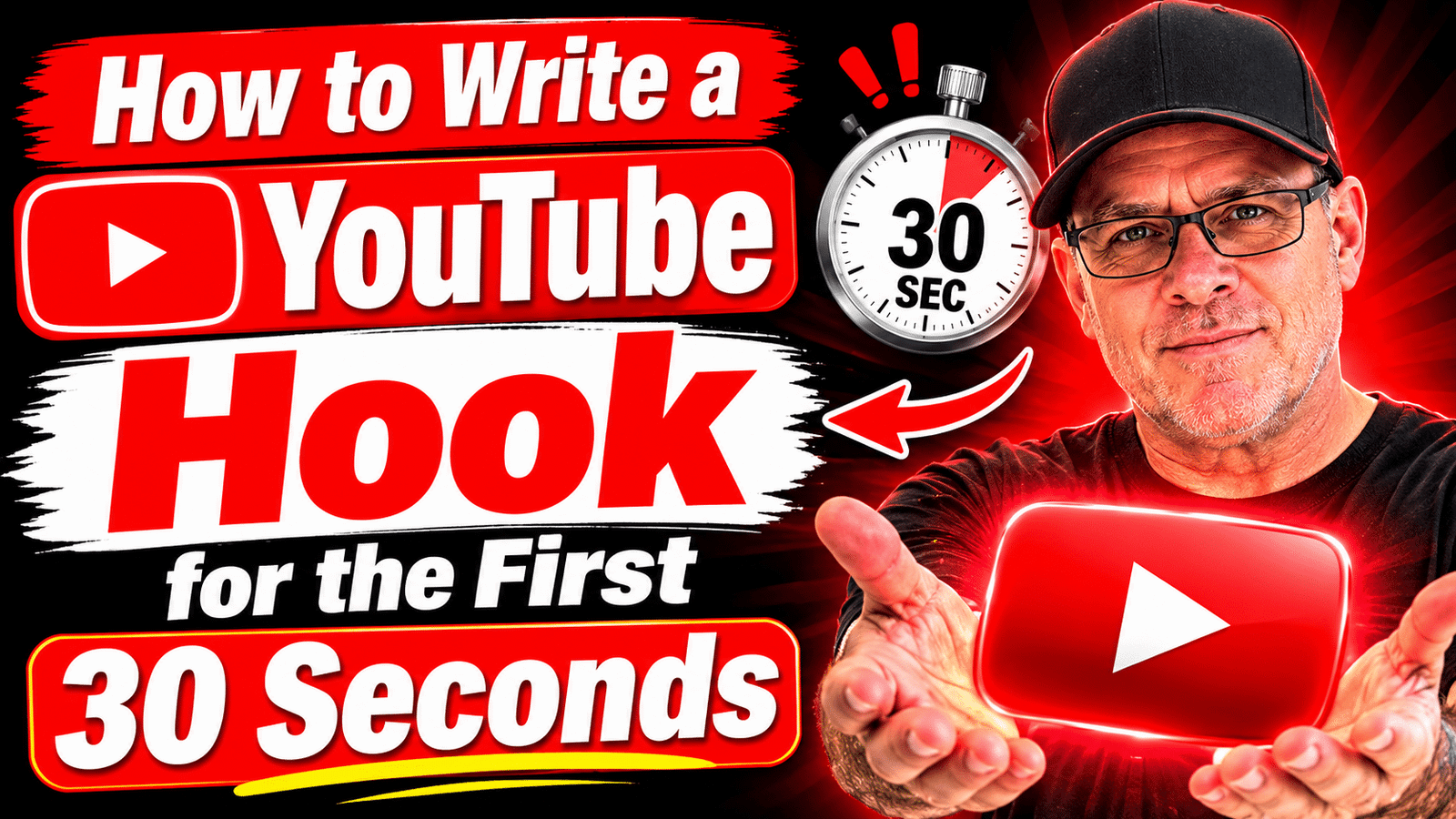
- Packaging (title + thumbnail) and the first 30 seconds decide whether anyone even gives your content a chance.
Why the First 1,000 Matters More Than You Think
1,000 subscribers is one of the two numbers YouTube requires for full Partner Program ad revenue (the other is 4,000 watch hours right now, rising to 8,000 for new applicants after February 1, 2027). More importantly, it is the point where you start building a real base of people who will watch your next video. Everything before that is mostly testing whether your content and packaging work.
Step 1: Get Ruthlessly Clear on Your Niche
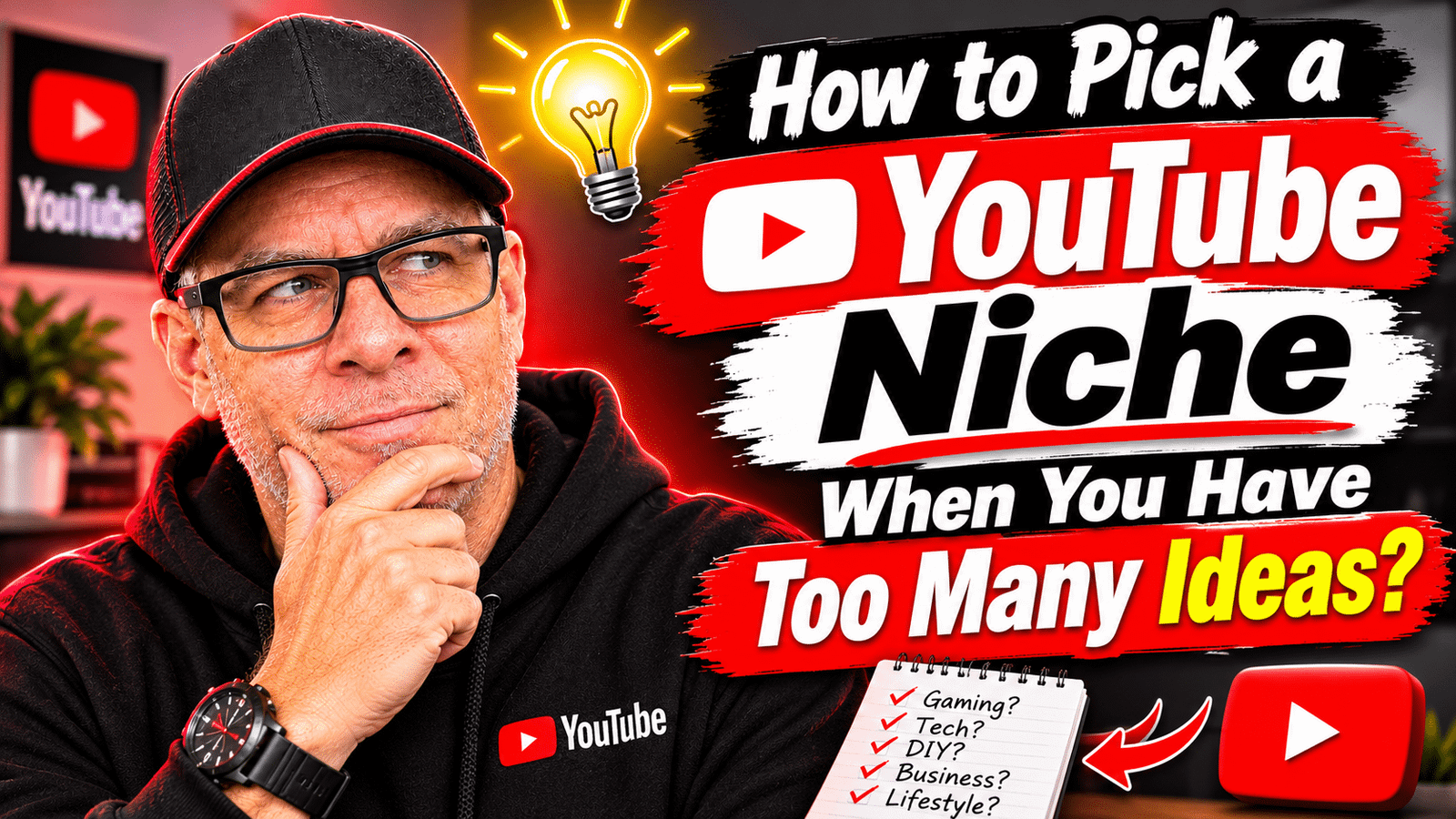
How to pick a YouTube niche is the decision that makes everything else easier or harder. Broad topics (“fitness,” “money,” “productivity”) force you to compete with giant channels from day one. Narrow topics let small channels rank and convert.
Look for a specific problem or audience you can serve for at least 25–30 videos. Examples that work well for new channels:
- 15-minute meals for shift workers
- HVAC side hustles that actually pay
- Excel for accountants who hate spreadsheets
Type your topic into YouTube search and study the autocomplete suggestions. Those are real searches. Build your first batch of video ideas directly from them.
Step 2: Package Like the Click Is the Only Thing That Matters
Most new creators spend 90% of their time filming and editing and 10% on the title and thumbnail. Flip that ratio for the first 20 videos.
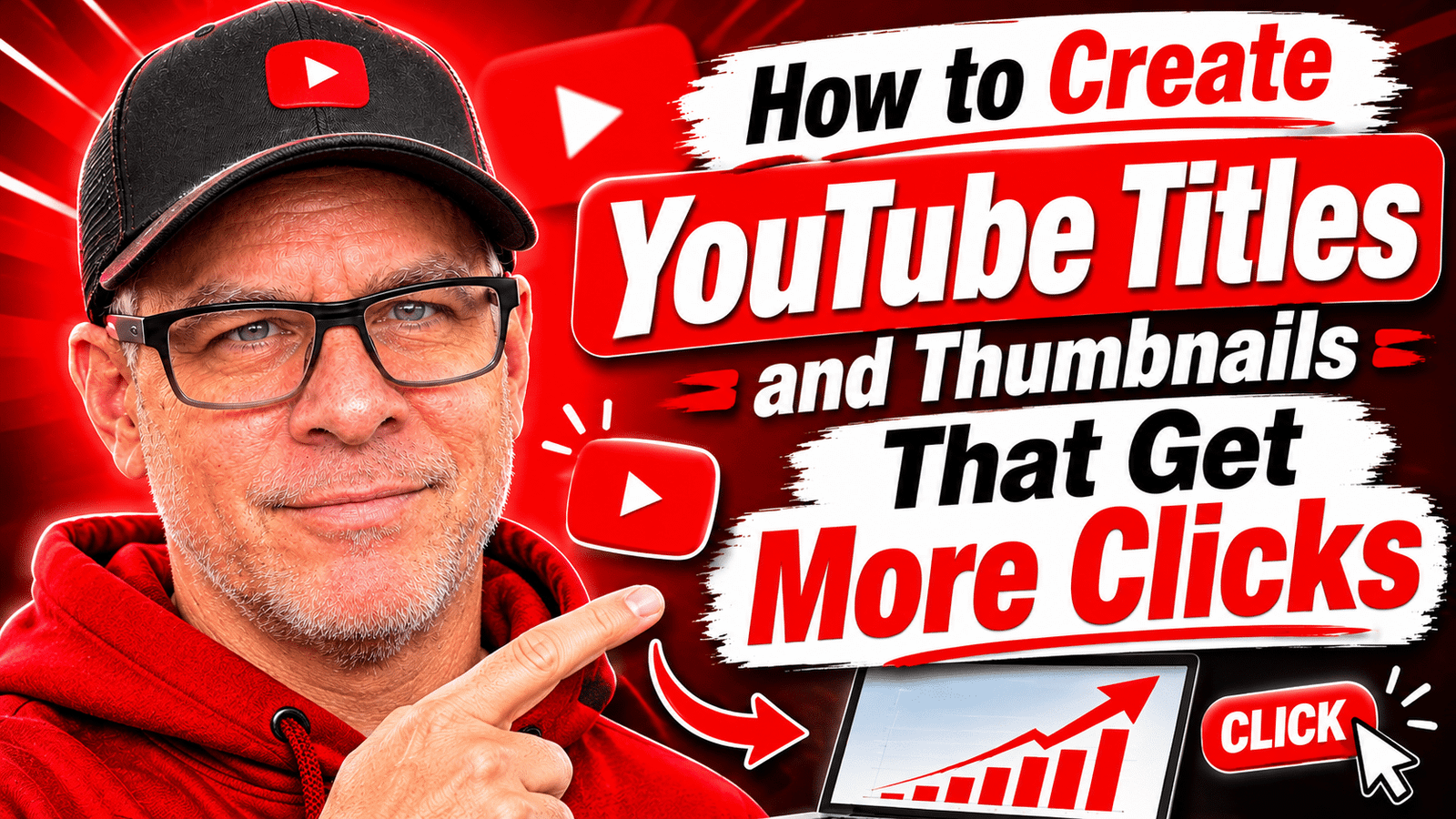
How to write YouTube titles and thumbnails that actually get clicks:
- Titles should sound like a clear search query or a specific result. “How I Fixed My Truck Note with Weekend Side Work” beats clever wordplay.
- Thumbnails need one clear subject, high contrast, and text that is readable on a phone. Test against the top results in your niche before you publish.
- The title and thumbnail must match. If the thumbnail promises one thing and the title says another, people click away in the first few seconds and your retention tanks.
Revisit old videos that underperformed. Improving the packaging on a video that already has some impressions can still pull new subscribers months later.
Step 3: Use Shorts for Reach and Long-Form for Conversion
Shorts are the fastest way for a brand-new channel to get in front of strangers. They do not convert as cleanly into subscribers as long videos, but they feed the top of the funnel.
Best practice right now:
- Post Shorts that stand alone and deliver a complete quick win.
- End many of them by pointing to the full long-form video on the channel.
- Keep Shorts and long-form in the same narrow topic so the audience that arrives actually stays.
Long-form videos (especially in the 10–25 minute range) are where most of your actual subscribers and future watch hours come from. Data from small channels in 2026 continues to show that 10–40 minute videos break out more often than very short long-form content when the packaging and retention are solid.
Step 4: Build a Simple, Sustainable Cadence
Consistency beats intensity. Two solid long videos per week plus a handful of Shorts is more effective than five videos one week and radio silence the next.
A realistic early plan many channels use:
- Days 1–7: Publish your first 4–5 videos so new visitors see a real channel.
- Weeks 2–12: Hold a steady schedule (2 long videos + supporting Shorts).
- After every 5–7 uploads, look at which videos drove the most subscribers and make more content in that style.
Engage with every early comment. Reply quickly. Pin the best ones. New channels grow faster when real people talk back.
Step 5: Optimize for Search and Session Time
YouTube is still a massive search engine. Target low-competition keywords your small channel can actually rank for. Use chapters. Point every video to the next logical one with end screens and playlists. The goal is longer sessions on your channel, not just single-video views.
Track two numbers in Studio more than anything else early on:
- Click-through rate (compare each video to your own channel average)
- Audience retention (especially the first 30 seconds and the overall average view duration)
Fix what the data shows instead of guessing.
Common Mistakes That Keep Channels Stuck Under 300
- Changing niches every few videos
- Making videos that are too broad or too vague
- Weak packaging that never earns the click
- Quitting before 15–20 videos
- Treating Shorts as the entire strategy instead of a discovery tool
- Asking for the subscribe in the first five seconds before delivering any value
FAQs
How long does it usually take to get the first 1,000 subscribers?
Focused channels posting consistently often hit it in 3–8 months. Broader or less consistent channels can take longer. The biggest variable is whether you stick with one clear topic long enough for the algorithm to understand who your videos are for.
Should I focus only on Shorts to grow faster?
Shorts help with discovery and can deliver subscriber bursts, but long-form videos convert better and build the watch hours you will need later for monetization. The hybrid approach (Shorts as trailers + solid long videos) is currently the strongest path for most new channels.
Do I need expensive gear to reach 1,000?
No. Clear audio, decent lighting, and strong packaging matter far more than camera quality at this stage.
Is it worth promoting my videos outside of YouTube?
Light promotion in relevant communities can help early on, but the sustainable growth still comes from YouTube’s own systems finding the right viewers. Do not rely on outside traffic as your main strategy.
What if my first 10 videos get almost no views?
Normal. Use them to practice packaging and hooks. Improve the titles and thumbnails, then keep publishing. Most channels do not see meaningful traction until the 10–20 video mark.
Final Thoughts
How to get your first 1000 YouTube subscribers is less about finding a secret growth hack and more about doing the unglamorous work correctly for long enough. Pick a narrow lane people actually search for. Package every video like the click is everything. Deliver on the promise in the first 30 seconds. Post consistently. Use Shorts to bring people in and long-form to make them stay and subscribe.
That combination still works in 2026. The channels that treat it like a system instead of a lottery are the ones that eventually look up and realize they crossed 1,000 without noticing the exact day it happened.
At Youtube Made Easy we keep the focus on the decisions that actually move the number. Start with one clear topic, make the packaging excellent, and ship the next video. The rest compounds from there.
References
- Current YouTube Partner Program eligibility (1,000 subscribers + watch hours or Shorts views)
- 2026 creator data and analyses on small-channel breakout rates, video length performance, and Shorts-to-long-form conversion patterns
- YouTube Help guidance on packaging, retention, and how recommendations work for new channels