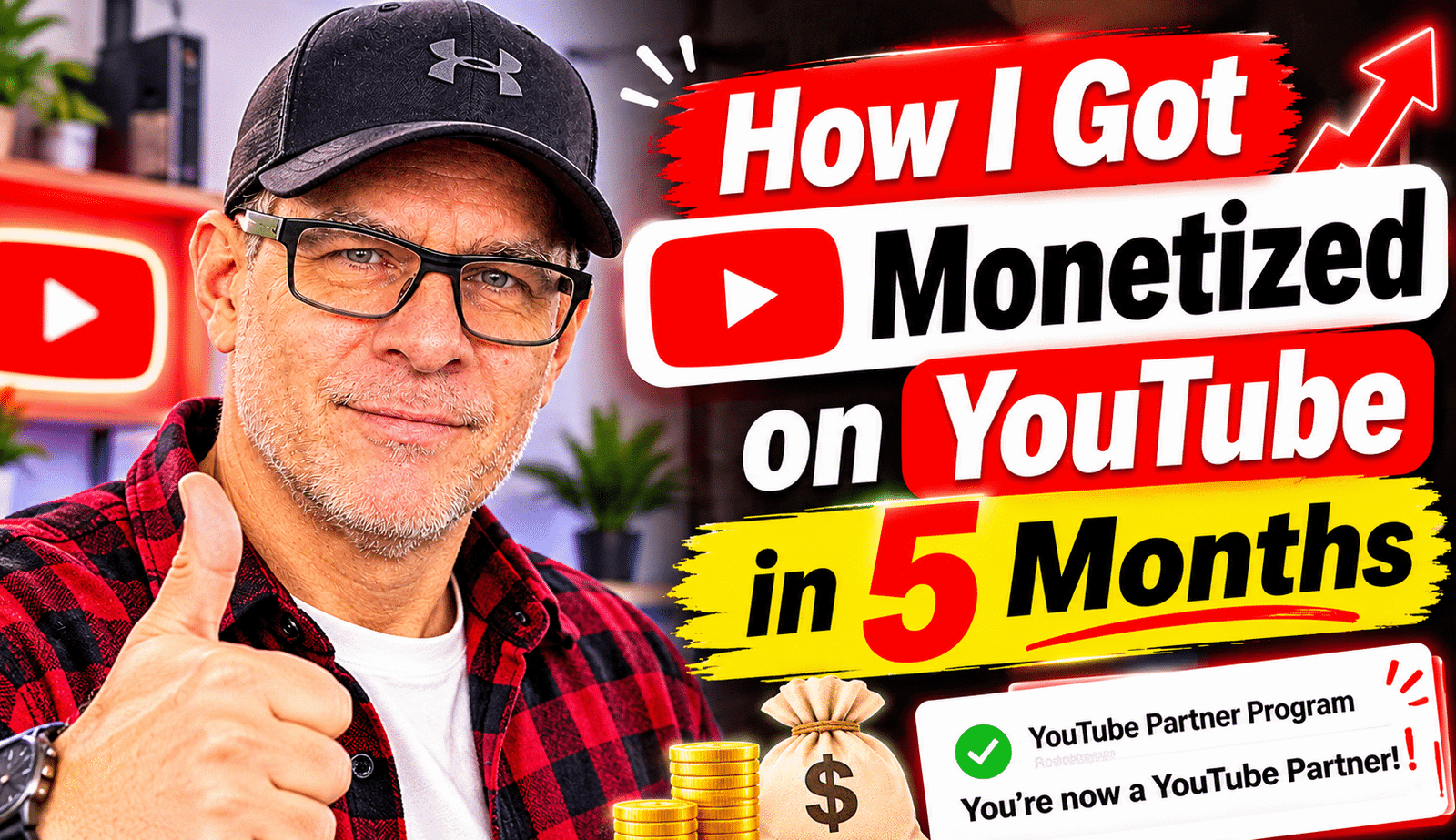
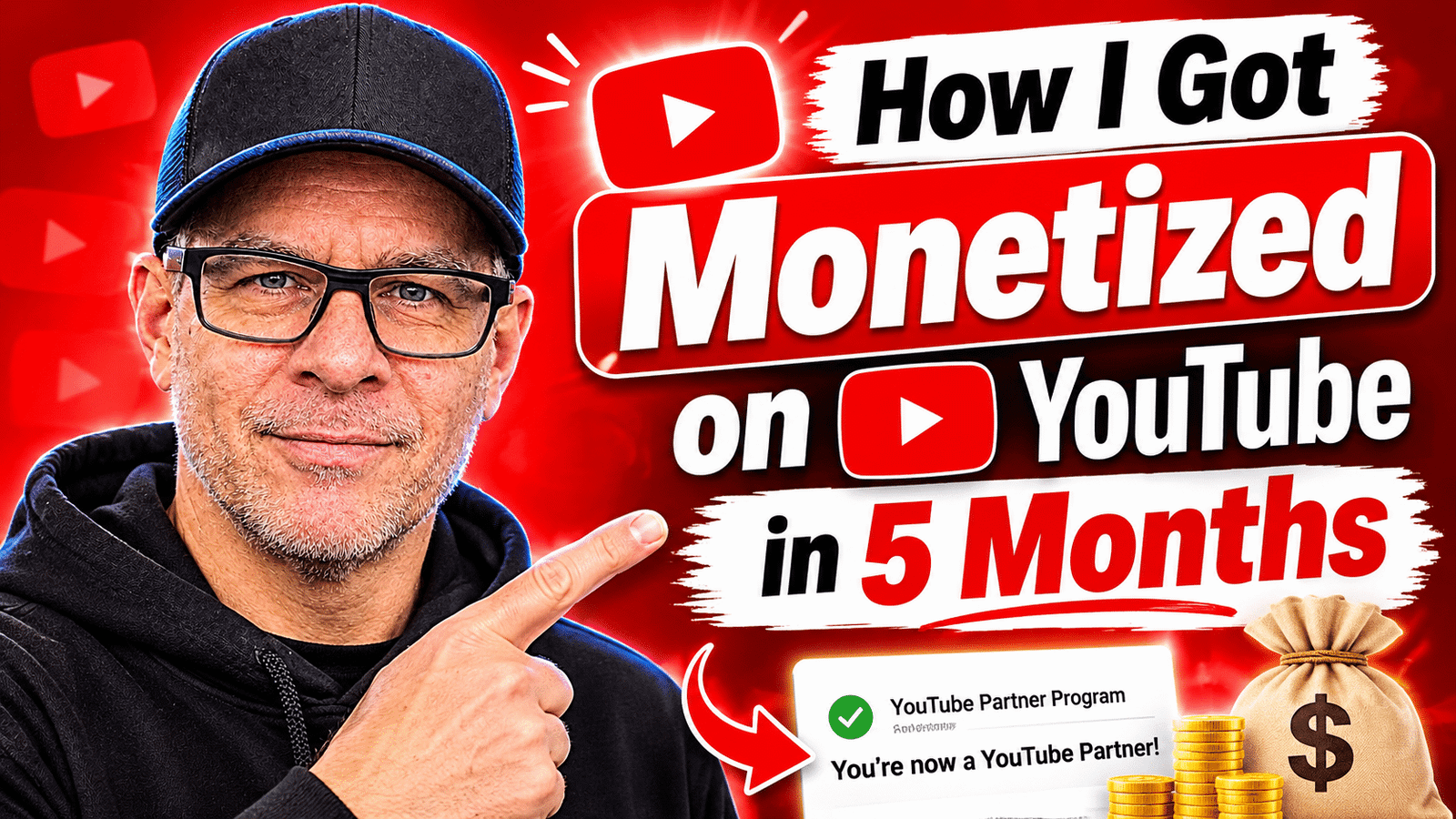
How I Got Monetized on YouTube in 5 Months
A lot of creators treat monetization like a distant finish line that takes years. It does not have to. In this post I am going to walk through exactly how I got monetized on YouTube in 5 months the real decisions, the numbers that mattered, and the mistakes I stopped making early enough to hit the threshold without burning out.
I’m JV Charles, founder and senior editor at Youtube Made Easy. I work with blue-collar and trades creators who want practical growth, not hype. What follows is the system that consistently moves channels from zero to Partner Program eligibility in a realistic timeframe when the focus stays tight.
Key Takeaways
- Hitting monetization in around five months is possible when you treat the first 1,000 subscribers and 4,000 watch hours as a single focused project.
- Niche clarity, strong packaging, and consistent long-form videos that people actually finish are still the biggest levers.
- Shorts help with discovery but long-form videos drive the watch hours you need.
- Tracking retention and subscriber sources weekly beats posting more content for the sake of volume.
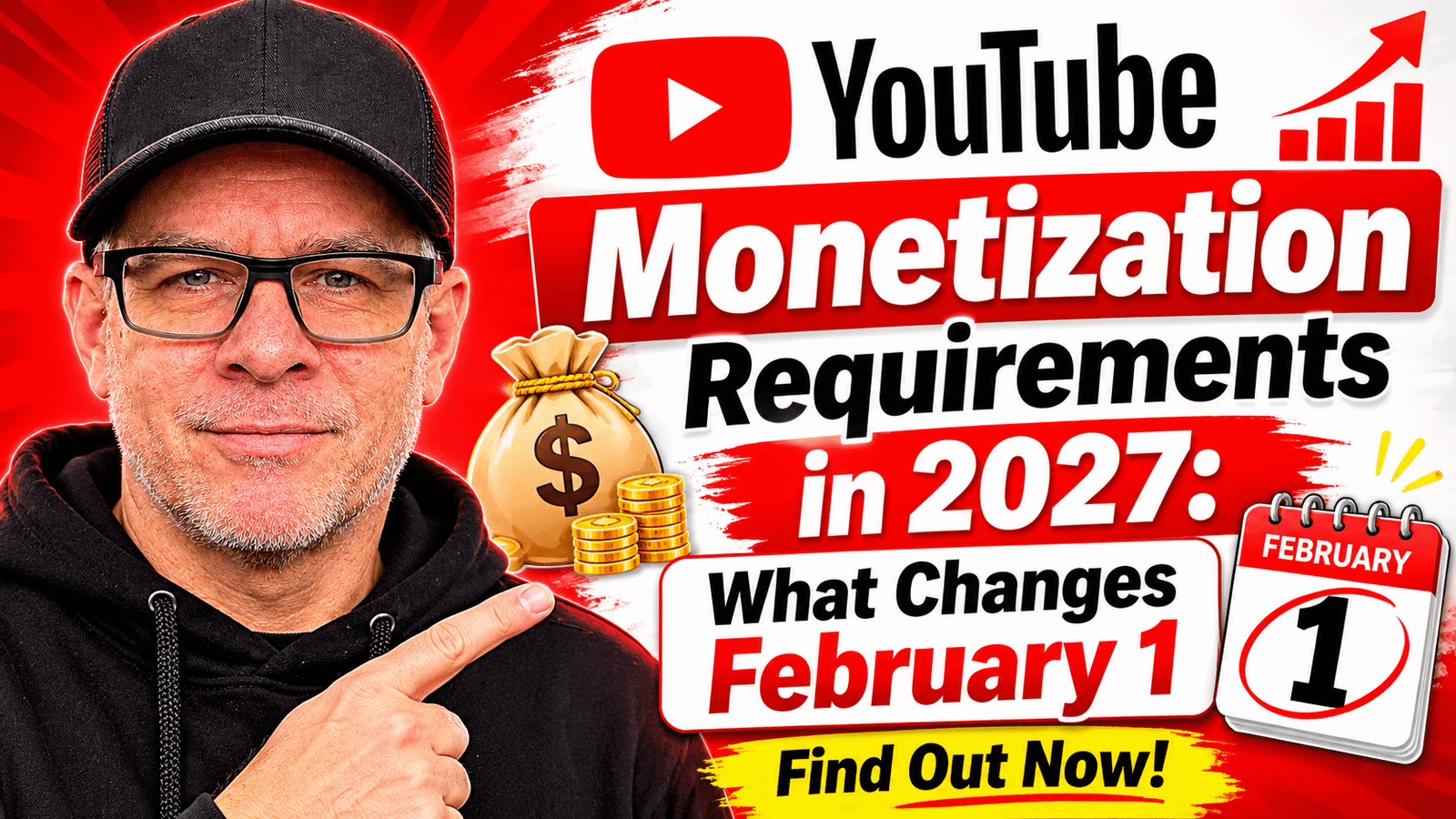
- The current path (as of late 2026) is still 1,000 subscribers plus 4,000 qualified watch hours (or 10 million Shorts views). The higher bar starts February 1, 2027 for new applicants.
The Starting Point Most People Get Wrong
When I committed to the five-month target, I stopped treating YouTube like a content hobby and started treating it like a measurable project. The goal was simple: cross 1,000 subscribers and 4,000 public watch hours as cleanly as possible.
That meant saying no to a lot of “good” ideas that did not serve the numbers. Broad topics, random uploads, and weak packaging all got cut.
Month 1: Lock the Niche and the Packaging
The first decision was how to pick a YouTube niche that could actually support growth. I narrowed hard. Not “side hustles.” Something specific enough that search demand existed and competition was still beatable for a new channel.
Once the niche was clear, every piece of energy went into how to write YouTube titles and thumbnails. The first 8–10 videos were built around search-friendly titles and thumbnails that looked competitive next to what was already ranking. Weak packaging was the fastest way to waste good content, so we fixed that before worrying about volume.
Months 2–3: Build the Watch Hours Engine
This is where most channels stall. They chase subscribers and ignore watch time. I flipped the priority.
The focus became longer videos that people would actually finish. Retention in the first 30 seconds got obsessive attention because early drop-off kills average view duration. Strong hooks, clear promises, and tight pacing became non-negotiable.
At the same time I used Shorts as a discovery tool, not the main product. Shorts brought new eyes. The long-form videos converted those eyes into subscribers and, more importantly, into hours.
Weekly reviews looked at two things:
- Which videos were generating the most subscribers
- Which videos were generating the most watch time
Then I made more of what was already working instead of inventing new formats every week.
Month 4: Tighten Everything That Was Leaking
By month four the channel had momentum, but the numbers were still short of the threshold. This phase was about removing friction.
- End screens and playlists were cleaned up so viewers stayed on the channel longer.
- Older videos that had decent impressions but weak packaging got new titles and thumbnails.
- Comment replies happened fast on new uploads to boost early engagement signals.
- Any video that was clearly underperforming on retention got a hard look at the opening.
The goal was simple: turn existing traffic into more hours and more subscribers without needing a massive new audience every week.
Month 5: Cross the Line
In the final stretch the focus stayed on the same system. No last-minute gimmicks. No buying views or subscribers. Just consistent uploads of the content type that had already proven it could hold attention and convert.
When the Earn tab finally showed eligibility, it felt less like a surprise and more like the natural result of the previous four months of focused work.
What Actually Moved the Needle
Looking back, four things mattered most:
- Ruthless niche focus so the algorithm understood who the videos were for.
- Packaging that earned the click and matched the content.
- Long-form videos built for retention instead of just length.
- Weekly data checks that forced better decisions instead of more content.
Everything else was secondary.
What I Would Do Differently
I would have been even stricter about the first 30 seconds from day one. Several early videos lost people before the real value started, and those early drop-offs slowed the watch-hour accumulation. Fixing the hook earlier would have shortened the timeline.
I also would have built playlists and series from the beginning instead of adding them later. Session time compounds faster when viewers have an obvious next video.
FAQs
Is five months realistic for most new channels?
It is realistic for focused channels that treat packaging, retention, and consistency as non-negotiable. Channels that change niches or post randomly usually take longer.
Do I still need 4,000 watch hours right now?
Yes. As of November 2026 the requirement for new applicants is still 1,000 subscribers plus 4,000 qualified public watch hours (or 10 million Shorts views). The jump to 8,000 hours begins February 1, 2027 for new applicants only.
Can Shorts alone get you monetized that fast?
Shorts can help you hit the subscriber count and the Shorts-view path, but most channels still find the long-form watch-hour route more controllable and more sustainable for long-term growth.
What if I am starting later and the 2027 changes are close?
Focus on crossing the current threshold before February 1, 2027 if you are already close. Existing partners are not forced to the higher numbers, but new applicants after that date will face the raised bar.
How important is posting frequency?
Consistency matters more than daily uploads. Two solid long-form videos per week plus supporting Shorts outperformed irregular high volume in this process.
Final Thoughts
How I got monetized on YouTube in 5 months came down to treating the threshold like a project with clear inputs instead of hoping something would eventually go viral. Niche focus, strong titles and thumbnails, retention-first videos, and weekly course-correction did the heavy lifting.
The same levers still work right now. The window before the February 2027 changes makes focused execution even more valuable if you are close.
At Youtube Made Easy we keep the advice practical because the creators we serve do not have time for theory that does not move the Earn tab. Pick the lane, package it properly, hold attention, and ship consistently. The numbers follow.
References
- Current YouTube Partner Program requirements (1,000 subscribers + 4,000 qualified watch hours or 10 million Shorts views)
- Official announcements regarding the February 1, 2027 threshold increase for new applicants
- Creator retention and packaging practices that support faster watch-hour accumulation in 2026